A burger can be expertly prepared, a cocktail can taste exceptional, and a packaged product can have a loyal following - yet the image may still fall flat. Searches for “why hire food stylist” usually start when a business realizes that great food and great food photography are not automatically the same thing. A food stylist helps close that gap, shaping every visible detail so your dish, drink, or product looks as desirable on screen as it is in real life.
For restaurants, cafés, hospitality brands, packaged-food companies, and founders launching a new product, that difference can influence whether someone scrolls past, saves the post, adds an item to their cart, or makes a reservation. Professional food styling is not decoration for decoration’s sake. It is a commercial tool that gives your food the visual presence it needs to compete.
Why Hire a Food Stylist for Commercial Photography?
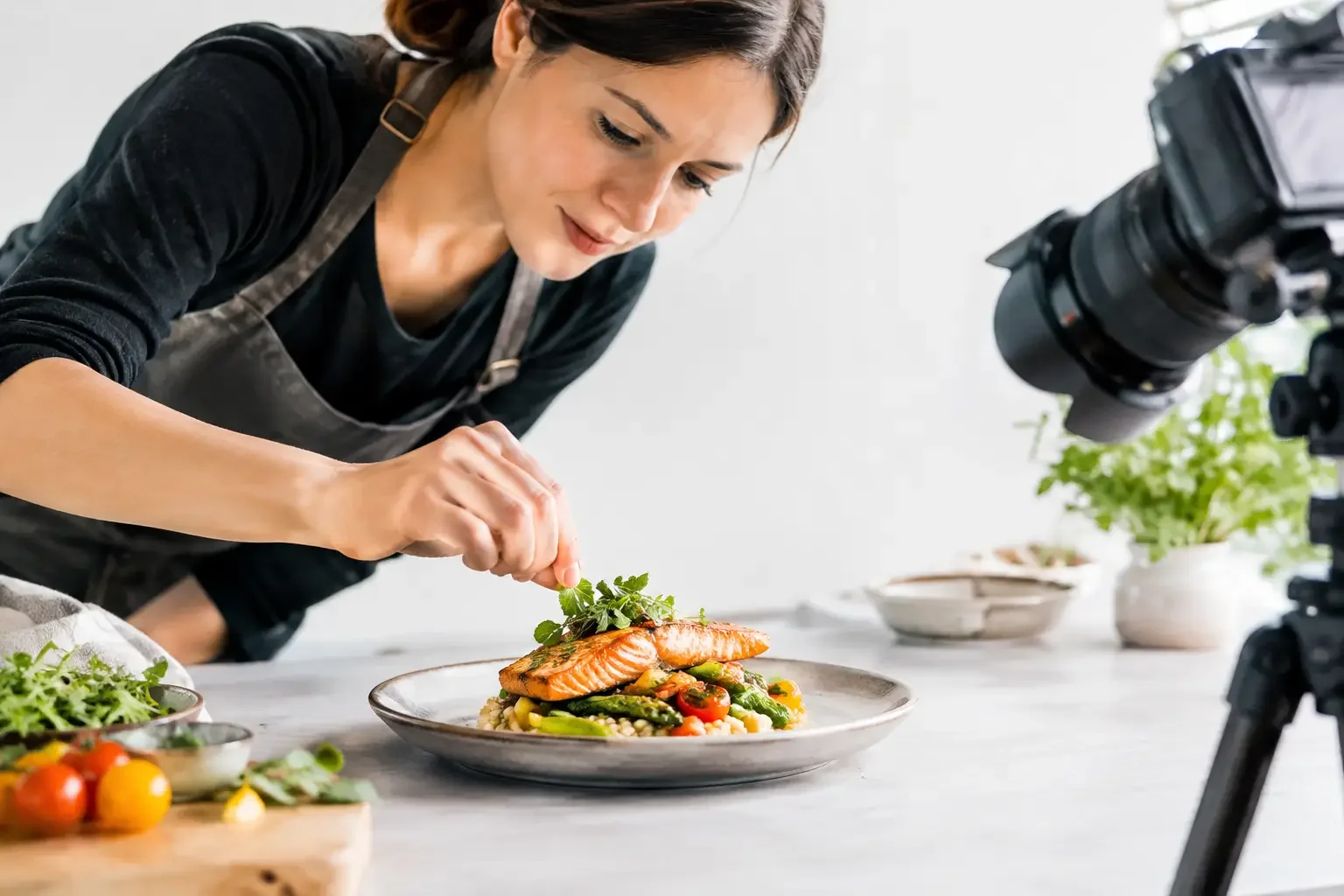
Food styling is the practice of preparing, arranging, and maintaining food specifically for the camera. The goal is not to misrepresent what you sell. The goal is to present it at its strongest: fresh, generous, textured, balanced, and true to the experience your customer expects.
A skilled food stylist understands what a camera sees that the human eye may overlook. A plate that looks attractive at the table can photograph as crowded, dull, flat, or uneven. Under studio lights, sauce can lose its shine, ice can melt quickly, greens can wilt, and a carefully assembled sandwich can slump in seconds. Styling solves those problems before they become expensive reshoots or weak campaign assets.
The stylist works closely with the photographer, chef, brand owner, or marketing team to make choices about composition, garnish, portioning, color, texture, props, and timing. That collaboration creates images with intention instead of relying on chance.
The camera needs a different kind of preparation
In service, a chef prioritizes taste, temperature, speed, and consistency across many orders. In a photo shoot, the priorities shift. The food must hold its shape during setup, look appealing from a particular angle, and fit the story of the image.
That may mean selecting the best individual ingredients from several preparations, rebuilding a dish for the hero shot, or adjusting the placement of one ingredient by a few millimeters. These details are not excessive. They are what create a clean cheese pull, a crisp salad, a glossy sauce, or a drink that looks cold and refreshing.
A food stylist also helps protect the pace of the shoot. Rather than stopping every few minutes to troubleshoot wilted herbs or collapsed plating, the team has someone focused on keeping each set camera-ready. More efficient production often means more usable images from the same shoot day.
Better Images Build Stronger Buying Confidence
Customers cannot smell your coffee, taste your sauce, or feel the crunch of your pastry through a website. Your images have to do the persuasive work before the first order is placed.
When food looks carefully styled, customers often read that care as a sign of quality across the entire brand. They assume the restaurant pays attention to presentation. They expect the product to be premium. They feel more confident that the menu item or package will deliver what the image promises.
This matters especially for businesses trying to stand out in busy Caribbean hospitality markets, ecommerce categories, and social feeds filled with polished visual competition. A clear, appetizing image can establish value faster than a paragraph of sales copy.
For a menu, that may mean helping guests choose a higher-margin entrée or signature drink. For a product brand, it can mean making a new item feel credible on an online shelf. For a hotel or café, it can communicate atmosphere: relaxed breakfast, vibrant brunch, elevated dining, or a tropical escape.
Food Styling Creates Content With More Range
Hiring a food stylist is often most valuable when you need more than one beautiful image. Your business may need vertical images for social media, landscape banners for a website, close-ups for ads, clean product shots for ecommerce, and lifestyle scenes for a campaign. Each use calls for a slightly different approach.
A stylist helps build visual variety while keeping the food recognizable and the brand consistent. One plated dish can be photographed as a detailed close-up, a table scene, a chef-led moment, or part of a larger hospitality story. The same product can appear on a clean background, in use, paired with ingredients, or placed in a lifestyle setting.
That gives your marketing team a library of assets rather than a handful of nearly identical photos. You can support seasonal promotions, email campaigns, delivery platforms, printed materials, digital ads, and social content without having to start from zero every time.
Consistency is a brand advantage
When customers see your content repeatedly, they should recognize it before they read the logo. Consistent lighting, color, plating, prop choices, and image mood make that recognition possible.
A food stylist contributes to this consistency by helping define the visual rules of the shoot. Is the brand bright and energetic, refined and minimal, rustic and welcoming, or bold and indulgent? Should the ingredients feel abundant and colorful, or controlled and premium? These decisions affect every frame.
For startups, this can be especially useful during launch. A clear visual direction helps a young brand look organized and established from its first campaign. For established operators, it prevents your menu, website, and social channels from feeling like they were created by different businesses.
When a Food Stylist Is Worth the Investment
Not every food photograph requires a dedicated stylist. If you need quick documentation of a simple item, have a limited budget, or are producing casual behind-the-scenes content, a photographer with strong food experience may be able to handle basic styling during the shoot.
The investment becomes more compelling when the images will carry real commercial weight. Launch campaigns, new menu rollouts, ecommerce listings, packaging, advertising, hotel marketing, editorial features, and investor-facing materials all benefit from a specialist’s attention. The more people who will see the image, and the longer you plan to use it, the more valuable professional styling becomes.
It also depends on the food itself. Some subjects are naturally camera-friendly. Others are difficult: melting desserts, fried foods, layered drinks, glossy sauces, steamed dishes, ice cream, and anything that must look fresh for hours. Those are moments when a food stylist can save substantial time and protect the final quality.
How to Plan a Food Styling Shoot That Works
Start with the business objective, not a vague request for “nice photos.” Decide where the images will appear and what action they should encourage. A delivery app thumbnail needs a different visual strategy than a full-page restaurant website banner or a product launch ad.
Then identify your priority items. Choose the dishes, drinks, or products that drive sales, represent your brand best, or need better visibility. Bringing too many items into a limited shoot can reduce the care each one receives. It is often smarter to produce a strong collection around your best sellers than rush through an entire menu.
Share your brand colors, packaging, existing marketing, serving ware, and any non-negotiable details before the shoot. If your product has a specific garnish, portion size, or presentation standard, clarify it early. This helps the creative team make styling choices that look polished while staying aligned with the customer experience.
Finally, allow time for testing and adjustments. Great food photography is active collaboration. The first setup may reveal that a darker plate works better, a garnish needs simplifying, or the product should be photographed from another angle. That flexibility is part of the process, not a sign that the plan failed.
The Right Team Makes Food Look Like a Reason to Buy
Food styling works best when it is integrated into the larger visual strategy. The photographer controls light, framing, and atmosphere. The stylist manages the food’s appearance and longevity. The business owner or chef protects the truth of the product and the brand. Together, the result should feel aspirational but believable.
At Elton Browne Photography, commercial food and hospitality projects begin with the practical questions: What are you selling, who needs to notice it, and where will the images work hardest for your business? That approach helps determine whether a dedicated food stylist belongs in the production plan, along with the right shoot scope and visual direction.
Your food already has a story - a signature recipe, local ingredients, a memorable presentation, or a product built to solve a customer need. Give that story the preparation it deserves before asking a single image to sell it.