A product launch can need six clean ecommerce images, or it can need a full visual campaign with lifestyle scenes, set design, talent, video-ready lighting, and usage across multiple markets. Both are “photo shoots,” but they are not the same investment. Understanding what affects shoot cost helps you put your budget toward images that move your business forward instead of paying for details you do not need.
For startups, restaurants, product brands, and event teams, the best question is rarely “What is the cheapest shoot?” A better question is: “What visual result do we need, where will it be used, and what is required to produce it well?” Those answers shape the quote.
What Affects Shoot Cost for Commercial Brands?
A commercial photography quote reflects the work before, during, and after the camera is in use. It also reflects the value and intended use of the final images. A simple session may be priced around a defined time block and a small number of final images. A campaign quote is usually built around the production scope.
The main cost drivers are creative planning, the number and type of subjects being photographed, production needs, time on set, post-production, and licensing. Each one can be adjusted. That gives you more control than many business owners realize.
The creative goal and shot list
A clear brief keeps a shoot focused. If you need hero images for a website, product photos for an online store, social media content, and advertising assets, the photographer needs to plan for different crops, layouts, backgrounds, and compositions.
A shot list is not about removing creativity. It is how you protect the essential images your business needs. For example, a café may need wide interior images, signature dishes, drinks, staff moments, and vertical content for social media. A product brand may need clean catalog shots, close-up details, packaging images, and lifestyle photographs. More distinct visual needs generally mean more setup time and more final retouching.
When your priorities are clear, you can decide which images must be created now and which can wait for a future content day. That is often smarter than trying to produce an entire year of content in one rushed session.
Product quantity, complexity, and styling
Photographing one skincare bottle on a simple background is different from photographing 25 products with reflective packaging, labels, props, and multiple angles. The number of products matters, but complexity matters just as much.
Glass, jewelry, metallic packaging, liquids, food, and highly reflective surfaces require careful lighting and control. Clothing may need steaming, pinning, or a model. Food may need a stylist or preparation support so it looks fresh under lights. These details are not extras for the sake of it. They are part of creating images that make customers trust what they see.
Styling can also change the scope. A clean white-background product shoot is efficient and useful for ecommerce. A styled still-life image with custom surfaces, ingredients, props, and layered lighting creates stronger campaign content, but it takes more preparation. Neither approach is automatically better. It depends on your sales channel and brand position.
Pre-Production Is Where Budget Control Begins
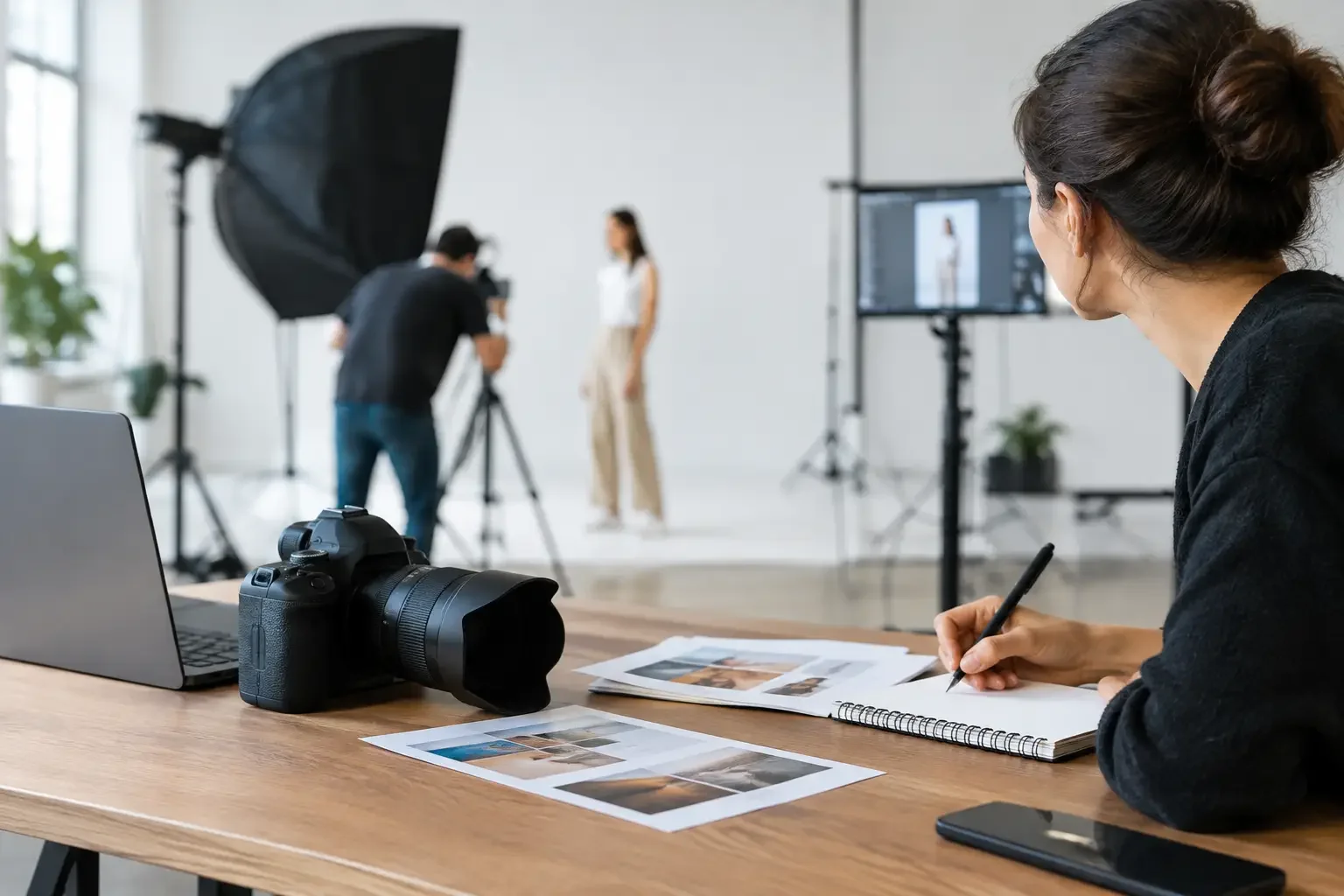
The strongest shoots are planned before shoot day. Pre-production may include a consultation, mood boards, a shot list, location scouting, scheduling, prop sourcing, production coordination, and technical testing.
For a straightforward product session, this stage can be light. For a hospitality campaign or brand launch, it may be substantial. If several people need to approve the creative direction, taking time to align early can prevent expensive changes later.
A free initial conversation can be especially valuable for first-time founders. At Elton Browne Photography, the goal of consultation is to identify the visual approach that supports your immediate business objective, whether that is launching a product, refreshing a menu, filling an online store, or promoting an event.
Bring examples of images you like, but also explain why you like them. Is it the warm lighting, premium styling, energetic people, clean background, or dramatic color? That clarity helps translate inspiration into a realistic production plan.
Location, sets, and permits
A studio or controlled indoor setting can make product work efficient because lighting, weather, and backgrounds are easier to manage. On-location photography can add atmosphere and local character, especially for restaurants, hotels, real estate, and lifestyle brands in Curaçao. It can also add costs for travel, permits, access, setup time, and contingency planning.
A location with limited parking, restricted hours, poor natural light, or tight spaces can require more production effort. Custom sets and rented furniture or surfaces can elevate a campaign, but they should earn their place in the budget. If a simple tabletop setup tells the product story just as well, keep it simple.
People and Production Resources Change the Scope
Not every shoot needs a large crew. Many effective commercial sessions are lean: a photographer, a client contact, and a well-prepared product or space. Other projects need more hands because more moving parts are involved.
Depending on the concept, a production may require assistants, stylists, makeup artists, food stylists, art direction, models, talent fees, or a producer. These professionals help create a higher level of finish and keep the day moving, particularly when talent, multiple sets, or a demanding schedule are involved.
Lighting equipment is another consideration. Natural light can be beautiful, but it is not always consistent enough for product catalogs or campaigns that must match across many images. Professional lighting creates repeatable color, shape, and polish. Larger sets or complex scenes may need additional equipment and setup time.
The practical decision is not whether to add every possible resource. It is whether each resource supports a visible outcome. If a stylist helps turn average food images into menu and campaign assets that bring guests through the door, the investment may be justified. If your needs are simple product details for a marketplace listing, it may not be necessary.
Shoot Time and Scheduling
Time is one of the clearest answers to what affects shoot cost. More hours allow for more setups, more products, more angles, and more creative variation. They also increase labor, location time, and sometimes equipment costs.
A tightly scheduled shoot can be efficient when the products are organized, labels are clean, menu items are ready, and decision-makers are available. Delays happen when products arrive late, a location is not prepared, key items are missing, or approvals stall on set.
Build a realistic schedule rather than assuming every image takes the same amount of time. One simple product angle may take minutes. A styled hero image with splashes, hands, props, and precise lighting can take much longer. Giving the important images enough time is usually more valuable than producing a large volume of rushed content.
Editing, Retouching, and Final Deliverables
The work does not end when the shoot ends. Image selection, color correction, cropping, file preparation, and delivery all affect the final cost. Basic editing creates consistency across a collection. Detailed retouching can involve removing scratches, smoothing packaging, refining food, cleaning backgrounds, compositing multiple exposures, or preparing complex cutouts.
Ask what level of post-production is included. For ecommerce, you may need consistent cropping and web-ready files. For a billboard, print ad, or premium campaign, you may need high-resolution files and more detailed finishing. The final delivery requirements should match how the images will be used.
It also helps to agree on the number of final edited images. Shooting 100 frames does not necessarily mean delivering 100 fully retouched files. A clear deliverable count keeps expectations aligned and makes it easier to compare quotes fairly.
Licensing and Where Your Images Will Appear
Commercial photography is not only about making an image. It is also about the permission to use that image for business purposes. Licensing can affect price based on where, how long, and how widely the images will be used.
Images used on your website, social channels, email marketing, menus, and organic digital content may involve a different license from images used in paid advertising, national campaigns, packaging, billboards, or distribution across international markets. Exclusivity can also affect the agreement, especially if a campaign features a recognizable model or a distinctive concept.
Be direct about your plans. If you may expand from Curaçao to the United States or sell through retail partners, say so at the quoting stage. The right license protects your ability to use the assets confidently as your business grows.
How to Get More Value From Your Shoot Budget
The lowest quote is not always the lowest cost. If you receive images that do not fit your website, crop poorly for social media, or lack the polish needed for ads, you may need another shoot sooner than planned.
To make your investment work harder, define the business purpose before choosing the production level. Prioritize the products, dishes, or moments that produce the most revenue. Prepare everything in advance, from products and props to staff uniforms and the shooting area. Finally, plan for multiple uses: horizontal website banners, vertical social content, close-up details, and images with open space for text.
A well-scoped shoot gives you more than attractive photos. It gives your brand the visual confidence to launch, sell, promote, and show up consistently. Start with the result you want customers to feel, then build the shoot around the images that can make that result real.