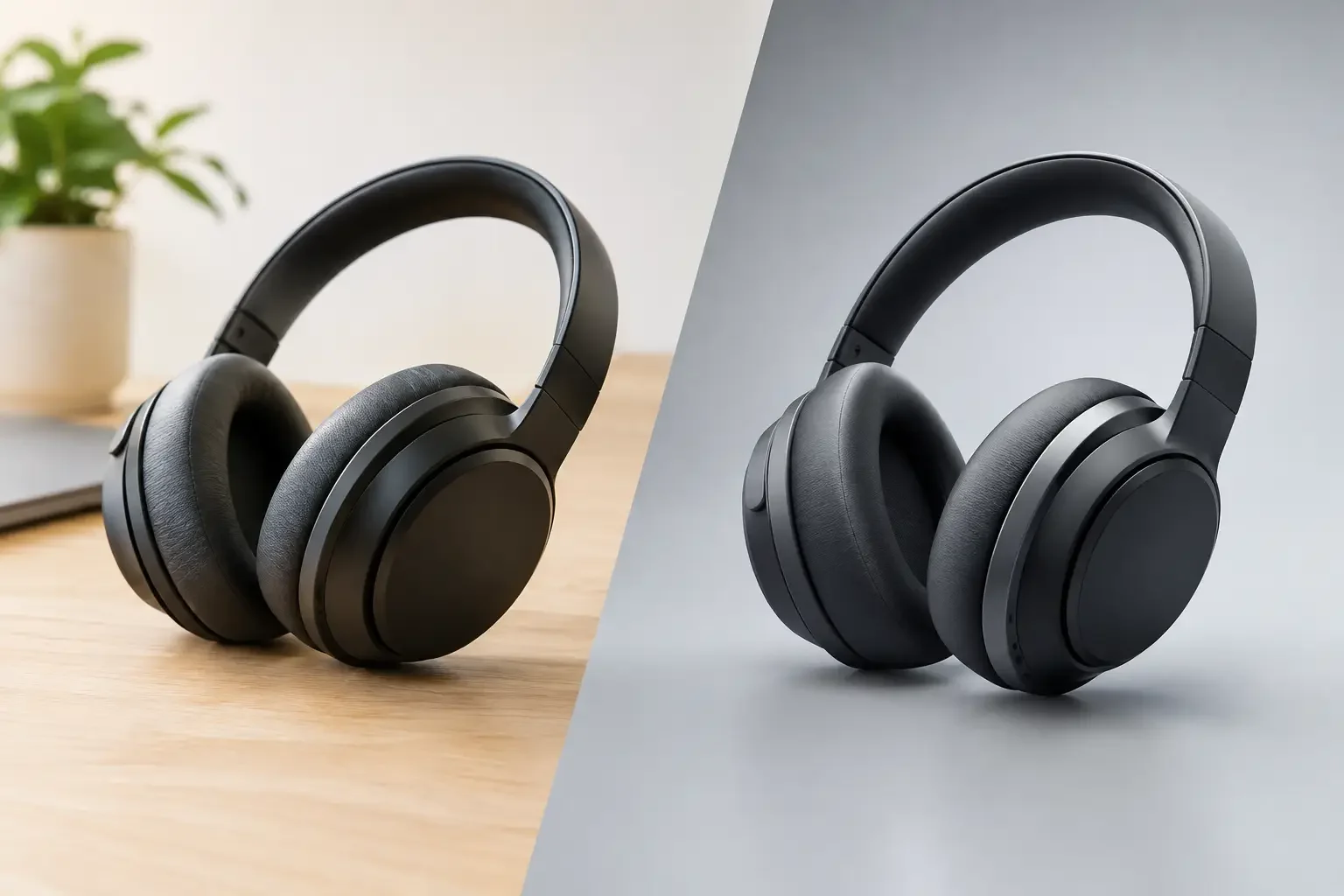
A new product can be ready to sell long before its visuals are ready to work. Perhaps the packaging is still being finalized, the first shipment has not arrived in Curaçao, or you need 25 color options for an online launch next month. That is where the decision between product photography versus CGI rendering becomes commercial, not merely creative. Both can create polished, high-performing imagery. The right choice depends on what you sell, where the images will appear, and what your customers need to believe before they buy.
For founders, restaurant operators, and product brands, the goal is not to choose the trendiest production method. It is to build visual assets that make the product clear, desirable, and credible across your website, social media, ecommerce listings, menus, ads, and sales materials.
Product Photography Versus CGI Rendering: The Core Difference
Product photography captures a real, physical item with a camera, lighting, styling, and set design. It documents the product as it exists while using professional creative direction to show its best qualities. A photograph can communicate surface texture, scale, freshness, material quality, and the small details customers look for before making a purchase.
CGI rendering creates a digital version of the product in 3D software. Once a model is built and textured, it can be placed in almost any environment, viewed from many angles, recolored, animated, or adjusted without another physical shoot. It is especially useful when the product does not yet exist, when variations are extensive, or when the desired scene would be expensive or difficult to produce in real life.
Neither format wins automatically. A handcrafted skincare jar, a plated restaurant dish, and a bottle with reflective glass may benefit from the visual truth of a professional shoot. A furniture collection with 40 fabric choices, a product still in manufacturing, or a technical device that needs exploded views may be a stronger fit for CGI.
When Real Photography Creates the Stronger Sales Signal
Customers are highly sensitive to authenticity, even when they cannot explain exactly what they are seeing. Real photography is often the better choice when a product's appeal lives in its physical character: the sheen of a sauce, condensation on a cold drink, the crumb of fresh bread, the grain of wood, or the imperfect texture of handmade ceramics.
For food, hospitality, and lifestyle brands, photography also captures moments that are difficult to manufacture convincingly. Steam rises differently from actual food. Ice melts. Natural light moves across a table. A chef's hand, a guest's expression, or the atmosphere of a Caribbean café gives a brand a sense of place. These details help potential customers picture themselves in the experience.
Photography can also be a practical choice for small businesses because it starts with what you already have. Instead of investing in 3D modeling, a team can prepare samples, plan the visual direction, and create a focused library of usable assets in one session. With thoughtful shot planning, those assets can serve a product launch, email campaign, social posts, digital ads, wholesale deck, and website refresh.
That does not mean photography is always fast or simple. Physical products need to be shipped, cleaned, styled, and available in their final form. If labels change after the session, retouching may solve a small update, but a major package redesign can require a reshoot. The more variants, locations, and styling setups involved, the more production time matters.
Photography is ideal when customers need proof
Choose photography when the customer needs confidence that the product is real and matches what will arrive at their door. This is particularly valuable for food and beverage, beauty products with tactile packaging, fashion accessories, handmade goods, hospitality spaces, and any item where material quality is part of the promise.
A real image can also support trust when your business is new. Startups often need more than a clean cutout on a white background. They need visual evidence that they have a product, a process, and a brand worth paying attention to.
Where CGI Rendering Earns Its Investment
CGI is built for control. A digital product model can be placed in a beach house, on a rooftop, inside a modern kitchen, or floating against a graphic campaign background without moving a physical set or rebuilding the scene. It can show a product before production is complete and make version changes more manageable after the initial model is approved.
This control has real business value when your catalog is complex. A furniture brand may need the same sofa in multiple colors, materials, and room settings. A consumer electronics brand may need a precise view of ports, internal components, and features that cannot be photographed easily. A developer may need product visuals for investor presentations while the physical prototype is still evolving.
CGI is also a strong option for high-volume campaign systems. Once the visual world is established, new images can be created with consistent angles, lighting, and backgrounds. That consistency can make an ecommerce site look organized and premium, especially across large product ranges.
The trade-off is that good CGI requires skilled modeling, accurate materials, and careful art direction. A low-quality render can look sterile or slightly unreal, even if viewers cannot identify the problem. Plastic-looking surfaces, incorrect shadows, and overly perfect reflections can weaken trust. The software does not replace creative judgment. It simply moves much of the production work into a different medium.
CGI is ideal when flexibility drives the budget
Rendering makes the most sense when frequent updates, numerous variations, or impossible camera angles would make repeated photography more expensive. It can also be a smart long-term investment for brands that expect their product line to expand while maintaining one consistent visual system.
Before committing, ask whether the 3D model will remain useful after this campaign. If the product design is likely to change in six weeks, investing heavily in modeling may not make sense. If the form, materials, and packaging are stable for years, the model can become a flexible marketing asset.
Cost Is About More Than the First Invoice
Comparing costs only by day rate versus render rate can lead to the wrong decision. Product photography costs are shaped by the number of products, styling needs, props, studio time, location, talent, retouching, and final image requirements. A simple ecommerce set may be efficient, while a lifestyle campaign with food styling and multiple locations requires a larger production plan.
CGI costs usually depend on the complexity of the model, how accurately materials must be recreated, the number of scenes, the required resolution, and the level of post-production. Building one detailed 3D asset may cost more upfront than photographing one product. But when that asset produces dozens of variations and campaign images, the calculation changes.
The most cost-effective answer is often a focused combination. Photograph hero products that need real-world credibility, then use CGI for color extensions, technical detail shots, or conceptual campaign visuals. The audience does not care which tool was used. They care whether the result makes the offer feel valuable and believable.
Match the Visual Method to the Customer Journey
The best production choice should follow the job of the image. An ecommerce page needs clarity: accurate color, visible details, clean angles, and scale. A social campaign needs attention: strong composition, movement, personality, or a surprising setting. A restaurant menu needs appetite appeal. An investor deck may need a polished concept before physical stock is ready.
Start by identifying where images will be used and how long they need to work. Then define the visual outcomes before deciding on the method. Do you need six final images or 60? Are the products final? Will there be new colors or packaging updates? Is the brand selling craftsmanship, innovation, convenience, or an experience? These answers shape a better scope and protect the budget from unnecessary revisions.
It also helps to consider usage at the beginning. A high-resolution image for packaging, print advertising, or a billboard requires different planning than a social-only post. A campaign built for local launch may later be needed for international ecommerce. Planning for those possibilities gives your image library more value.
The Better Question Is What Must Your Visuals Achieve?
Product photography and CGI rendering are not opposing sides in a creative debate. They are tools for making a product easier to understand, want, and trust. Photography brings physical proof and human atmosphere. CGI brings precision and adaptable possibilities. In many campaigns, using both with a clear visual direction creates the strongest result.
If you are unsure where your project fits, begin with the product, the buyer, and the business goal rather than the production method. A consultation can turn a broad idea into a practical shot list, production plan, and quote that support the next stage of growth. Elton Browne Photography helps brands make that decision with commercial priorities in mind, so every image has a clear job to do.
Your next visual asset should not simply look polished. It should give the right customer a reason to stop, understand the value, and take the next step.