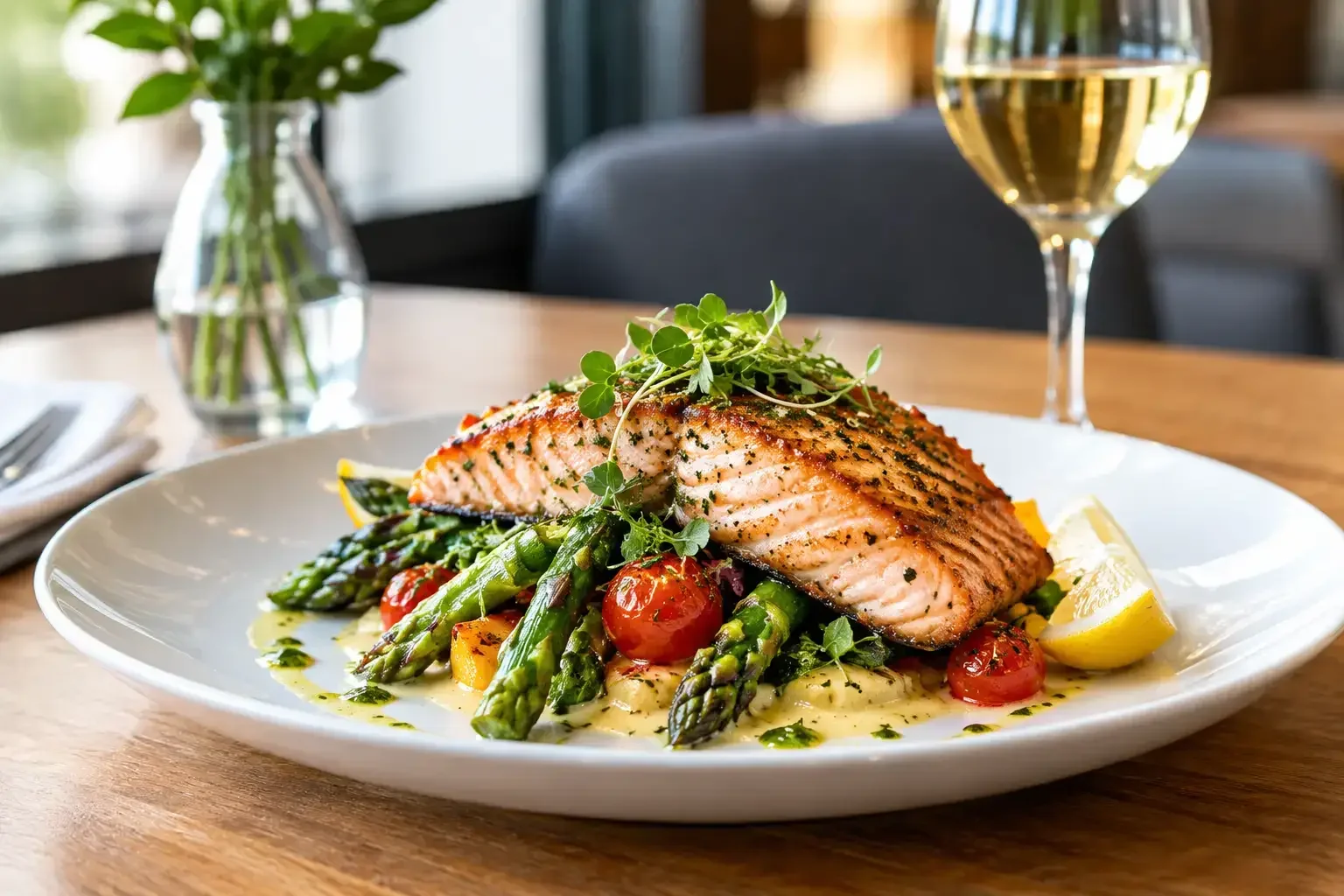
A guest can decide whether your restaurant feels worth the trip before they read a single menu description. The best photos for restaurant websites do more than show food. They create appetite, establish trust, communicate atmosphere, and give people a clear reason to reserve a table, order online, or plan an event.
For restaurant owners, cafés, and hospitality teams, photography is not a finishing touch for the website. It is part of the sales experience. A beautiful plate can attract attention, but a strategic image library helps customers understand what makes your business different and what they can expect when they arrive.
What Restaurant Website Photos Need to Accomplish
A restaurant website has a different job than a personal social media feed. Every image should answer a customer question or move them closer to action. What kind of food is this? Is the setting casual, polished, lively, romantic, family-friendly, or built for business lunches? Does the restaurant look consistent with its price point?
Strong photography reduces uncertainty. If a visitor can see the quality of the ingredients, the care in the presentation, the warmth of the dining room, and the people behind the service, they are more likely to feel confident choosing you.
This is especially valuable in competitive hospitality markets. In Curaçao, across the Caribbean, and in destination-driven markets worldwide, visitors often compare several places quickly. The restaurant with the clearest visual story has an advantage before anyone checks availability.
The Best Photos for Restaurant Websites Start With Hero Images
Your homepage needs one high-impact image that immediately communicates the experience. This is often called a hero image, and it should feel intentional rather than merely decorative.
For a fine-dining restaurant, that might be a signature dish photographed with dramatic light and refined styling. For a beachfront café, it may be a bright table scene that includes the ocean, fresh drinks, and a sense of place. For a neighborhood restaurant known for energy and hospitality, a wider image of guests enjoying the room may work better than a close-up of a single plate.
The trade-off is clarity versus mood. A dark, cinematic photo can feel premium, but it may hide important details on a mobile screen. A bright image can feel inviting, but it still needs shape, texture, and contrast to avoid looking flat. The right direction depends on your concept, customer, and price point.
Choose hero photos with room for website text. If every part of the frame is busy, a reservation message or call to action becomes difficult to read. A professional photographer plans for this during the shoot instead of forcing a crop later.
Show the Food People Come Back For
Food photography is often the first priority, and for good reason. It gives guests a reason to crave the menu. But the goal is not to photograph every item you serve. A large collection of average menu photos can weaken a brand faster than a smaller collection of exceptional images.
Start with your signature dishes, bestsellers, visually distinctive plates, and profitable menu items. Include a balanced mix of entrées, desserts, drinks, and shareable moments if those categories matter to your business. A restaurant known for cocktails should not rely only on food images. A brunch destination needs more than one photo of pancakes.
Make Food Look Real, Not Overworked
The most effective food images feel fresh, abundant, and believable. They show texture: the crisp edge of a fried item, condensation on a cold drink, sauce catching the light, steam rising from a hot plate, or the layered interior of a sandwich.
Styling should support the dish rather than compete with it. Too many props can make a plate feel staged or distract from portion size. On the other hand, a bare plate against a blank background may not communicate the warmth of a restaurant meal. Context matters. A linen napkin, a hand reaching into the frame, or a table setting can make food feel more immediate and shareable.
Color accuracy matters as well. Guests should recognize what arrives at the table. Editing can enhance the food, but unnatural saturation, heavy filters, or false-looking textures can damage trust.
Photograph the Experience Beyond the Plate
Customers do not book restaurants only for food. They book celebrations, date nights, family meals, meetings, vacation memories, and a break from routine. Your website should show that fuller experience.
Interior and exterior images help guests understand the space before they arrive. Photograph the entrance, dining room, bar, terrace, private areas, and any feature that makes the venue memorable. If sunset dining, waterfront views, open kitchens, live music, or garden seating are part of the offer, show them clearly.
People also matter. A restaurant without human presence can look polished but strangely empty. A few well-directed lifestyle images can make the brand feel alive: a server placing a dish, a bartender finishing a drink, friends sharing a meal, or a chef adding the final detail to a plate.
These photos work best when they feel guided but natural. Real staff and real guests often create the strongest result because they reflect the personality of the business. However, if privacy, timing, or brand consistency is a concern, a planned lifestyle shoot with selected talent offers more control.
Include the Team and the Craft
Trust grows when guests see the people responsible for the experience. A chef portrait, an image of hands preparing ingredients, or a bartender at work can bring depth to a website that would otherwise feel like a digital menu.
These images are particularly useful for owner-led restaurants and concepts built around local sourcing, culinary technique, heritage, or a personal story. They give your copy a face and help visitors connect to the care behind the service.
Do not treat team photos as generic headshots. Place people in their environment, with lighting and styling that match the restaurant. A chef in a bright, relaxed café needs a different visual approach than an executive chef leading a premium evening concept.
Plan Images for Mobile, Menus, and Marketing
A website gallery is only one use for your photography. The best investment is a coordinated image library that can support reservations, online ordering, social media, press outreach, paid ads, printed menus, event promotions, and delivery platforms.
That requires variety. Capture horizontal images for website banners, vertical frames for social content, close-up details for ads, and wider scenes for brand storytelling. Ask for clean compositions with room for text when you know an image may become a promotion or campaign graphic.
It also helps to plan for seasonality. A restaurant may need fresh images for holiday menus, Valentine’s Day, summer cocktails, corporate events, or new menu launches. Instead of waiting until the promotion is already live, build a practical shot list before the shoot.
A commercial photography session should begin with business goals, not just a request for “nice photos.” Are you trying to increase weekday reservations? Launch catering? Attract tourists? Sell a private dining package? Introduce a new chef? The answer changes which images deserve the most attention.
Common Photo Mistakes That Cost Restaurants Bookings
The first mistake is relying on dark phone photos taken under mixed restaurant lighting. Warm overhead bulbs, window light, colored fixtures, and flash can produce skin tones and food colors that look inconsistent. A phone can capture spontaneous moments, but it rarely replaces planned commercial imagery for the core website.
The second is using only close-ups of food. These images may look appetizing, yet they do not explain the atmosphere, service level, location, or occasion. A visitor still may not know whether your restaurant fits their plans.
The third is choosing photos based only on personal preference. Owners may love an artistic image that is too dark, too abstract, or too tightly cropped to sell the actual experience. Strong restaurant photography balances creative direction with customer clarity.
Finally, avoid letting your photo library become outdated. If the menu, interior, branding, team, or presentation changes, old photos can create disappointment. Refreshing a focused set of key images is often more valuable than keeping a large archive that no longer represents the restaurant.
Build a Shot List Around Customer Decisions
Before booking a restaurant shoot, identify the moments customers need to see. Start with your signature food and drinks, then add the spaces, people, and details that support your position in the market. Think about the homepage first, then the menu, reservations page, event offerings, and social campaigns.
Elton Browne Photography approaches commercial food and hospitality photography as a growth asset, with planning that connects visual direction to the way customers discover and choose a business. A consultation can help clarify whether you need a focused food shoot, a full restaurant brand library, or imagery for a specific campaign.
The right photographs do not need to show everything. They need to make the right people feel that your restaurant is the place they have been looking for. Give them a clear view of the flavor, the atmosphere, and the care waiting on the other side of the reservation button.